The Honest Answer to "What's the Latest Version?"
There is no permanent answer to that question, and a page that hands you a version number without a date tells you more about when it was written than about what is current. Orca Slicer ships on two channels — a stable release channel and a nightly development channel — and the newest build is simply whatever the maintainers published last. So finding the orca slicer latest version is a verification problem, not a memory problem.
If you want the answer right now, do this:
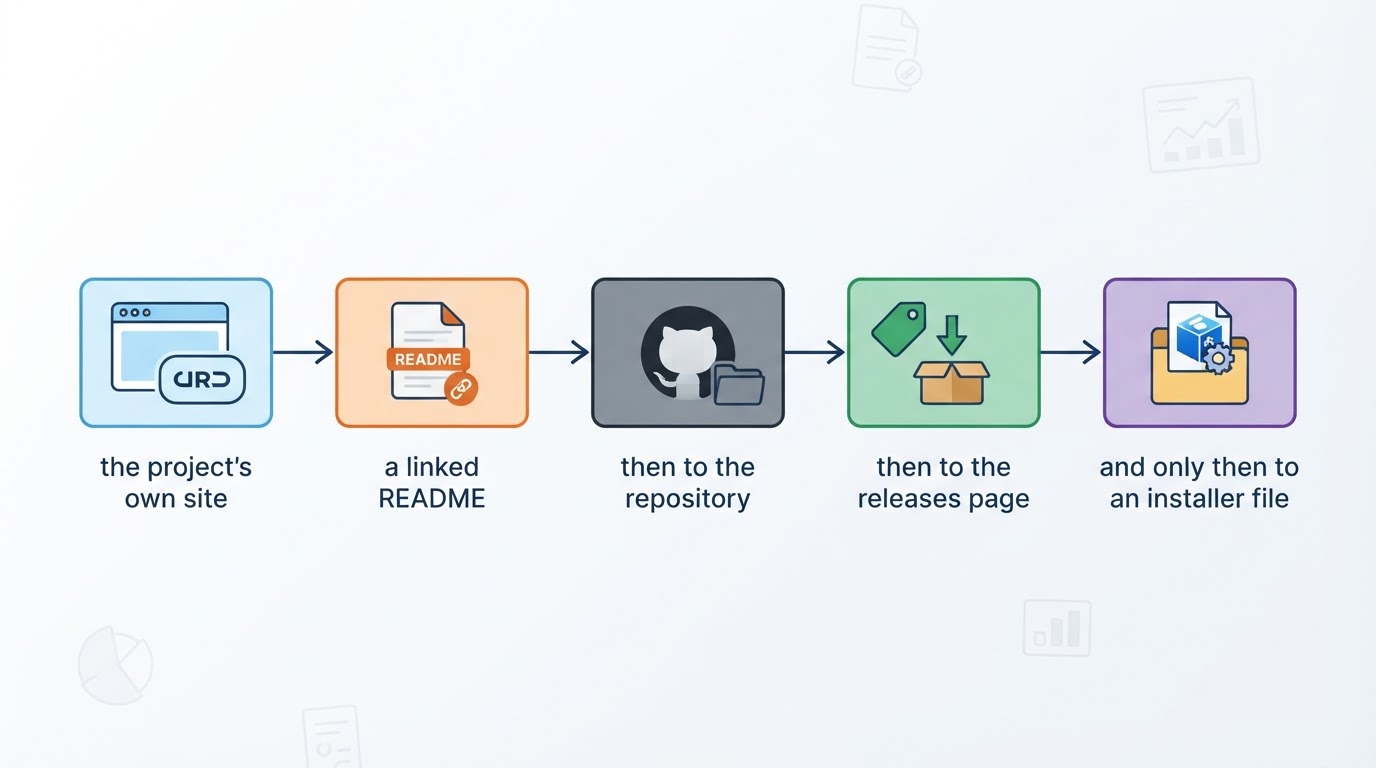
- Open the release page published by the Orca Slicer developers — the one linked from the project's official website. Not a mirror, not a download aggregator.
- Find the entry at the top of the release list. That is the current stable release, and it normally carries a release date and a note about what changed.
- Look at the entry below it. A current release paired with the previous stable build is the pattern you should expect; the older entry is your rollback option.
- Pick the file that matches your operating system and processor, and confirm it belongs to the release entry you just read.
- Only then download.
This guide is independent. We do not host the installer, and we are not the Orca Slicer project, so every step here sends you back to the developers' own channels rather than to a file on a third-party page.
The Mistake That Costs People a Rebuild
The most common version mistake is not choosing nightly over stable — it is downloading from the wrong page. Lookalike "download" sites exist, and some of them look more polished than the real release page. Two habits protect you. First, confirm the page belongs to the project rather than to a mirror that hosts the file itself. Second, refuse to install a file whose name cannot be matched to a release entry with a date and notes. A page that shows a version number but no date, no changelog and no upstream source is asking you to trust it blindly, and that is the wrong trade.
Stable or Nightly: Pick the Channel Before the Build
The channel decision matters more than the version number, because it sets how much risk you are accepting.
Channel | Best for | What you get | Main cost |
|---|---|---|---|
Stable | Everyday printing, client work, fleets, long jobs | The build the maintainers recommend, with release notes attached to the release | New features arrive later |
Nightly | Testing, chasing a specific fix | The newest development code, often ahead of stable | No guarantee a given build is regression-free |
Stable is the default for a reason. When you install a stable release, the notes tell you what changed, and the release itself is the reference point everyone else in the community is talking about.
Nightly is where the genuinely newest code lives, and the label is not marketing: those builds come from ongoing development. That has real value when you need one specific fix, when you are testing on a spare machine, or when you are trying to confirm whether a problem you hit is already fixed. Nightly is not the channel to pick simply because it is newer.
The trade-off is simple: nightly gives you the newest code first, and in exchange you accept that behavior can change between builds with no announcement. For a hobby machine that is a reasonable trade. For the printer paying your bills it usually is not — a regression discovered 40 hours into a job costs far more than waiting a release cycle.
Where the Release Notes Live — and How to Read Them Fast
Release notes live on the same page as the download, attached to the release you are about to install. That placement is deliberate: the notes describe the binary. A download on one page and a changelog somewhere else is a warning sign.
A fast way to read them:
- Find your build first. Locate the release that matches the version you are installing and read that entry, not a summary from a video or a forum post.
- Work forward, not backward. If you are several releases behind, read the notes from the version you run up to the current one. Skipping straight to the newest entry hides the intermediate changes most likely to affect you.
- Watch the categories that touch your workflow. Fixes and features rarely matter equally; the ones that change behavior you depend on deserve a test print before you commit a real job.
- For nightly builds, the notes live in the development history, where the code changes are discussed. That is part of why nightly is a testing channel rather than a supported one.
One habit pays for itself: keep a short version log for each machine — the build string, the date you installed it, and one line about why. When a print starts behaving oddly three weeks later, that log is the fastest way to work out whether a software change is even a candidate.

How to Check for and Install an Update
You do not need an in-app updater to stay current. The dependable check is a comparison:
- Write down the build string of the Orca Slicer version you are running — the same string that identifies the installer file you downloaded.
- Open the project's release page and find the current stable entry.
- If the strings match, you are current. If yours is older, read the notes between the two versions, then download.
Installing is deliberately boring: take the file from the release entry you just verified, close the running app before you install, and open the slicer once afterwards to confirm the version string changed. If the release page publishes a checksum for the file, compare it — that is the cheapest way to know the download arrived intact.
Two habits make updates safer. Keep the installer you actually used, because if a new build misbehaves the file you already ran is the fastest way back. And on a fleet, update one machine first: a single test machine turns "is this release safe for us?" into a question you answer with evidence instead of hope.
Who Should Wait
- Wait for stable: print shops and anyone whose machines are booked, anyone midway through a long or expensive job, and anyone running a mixed fleet where one bad update multiplies across machines.
- Do not wait if: you are blocked by a bug that only newer code fixes, you are testing on a spare machine, or you are trying to pin down whether a problem is already fixed.
- Never: run nightly on the only machine that produces your income. The newest code is not the same thing as the best-supported code.
Quick Answers
What is the latest Orca Slicer version right now? Whatever the project's own release page lists as its current stable release. Version numbers found elsewhere — including in search results — are worth verifying against that page, because old pages keep ranking long after they go stale.
Should I use a nightly build? Only if you need something that is not in stable yet and can absorb the risk. Nightly builds are for testing, and the price of the newest code is unpredictability.
How do I know a download is legitimate? Check three things: the page belongs to the project, the file matches a dated release entry, and notes for that release exist. If any of the three is missing, do not install the file.
Where do I find the release notes? Next to the download on the same release page, for the exact version you are installing. For nightly builds, look where the development changes are discussed.
Can I go back to an older version? Usually yes — keep the installer you used and the version string in your log, and you can restore the build you know worked without hunting for a new download.